




Ducted Air Conditioning vs. Split-System
Date Published: April 30, 2025, Last Updated on April 30, 2025 by Dan Thompson
Choosing between ducted air conditioning vs split system can feel overwhelming, especially with so many options on the market. Each type of air conditioner system has its strengths, but the right choice depends on your space, lifestyle, and long-term goals.
In this guide, we’ll break down the key differences between ducted and split systems to help homeowners, renovators, and property managers in Melbourne’s east make the best decision.
If you’re still unsure which way to go after reading, our air conditioning Eastern Suburbs experts can help assess your home and recommend the most energy-efficient, cost-effective system.
What Is a Ducted Air Conditioning System?
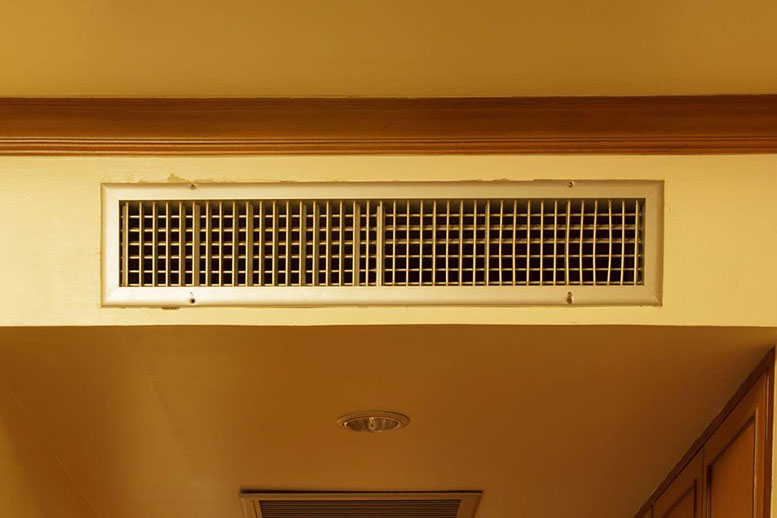
Ducted air conditioning systems are designed to cool or heat your entire home or multiple rooms through a single, central unit. This unit distributes air via ducts installed in the ceiling or floor, pushing air through discreet vents into each room.
While reverse cycle ducted systems are becoming more popular, many homes in Australia still rely on gas ducted heating with optional add-on cooling for year-round comfort.
Benefits of Ducted Systems:
Whole-home climate control from a central unit
Vents are neatly concealed in ceilings or floors for a clean look
Operates quietly, especially indoors
Can include zoning, allowing different temperatures in different rooms
Ideal for larger homes, families, or those planning future extensions
Drawbacks:
Higher upfront cost
Installation is complex and may require ceiling or underfloor access
Not cost-effective for small homes or apartments
If you’re renovating or building from scratch, this is often the best time to consider installing ducted reverse cycle air conditioning. It’s easier to design around, and adds value, comfort, and efficiency to your home from day one.
What Is a Split-System Air Conditioner?
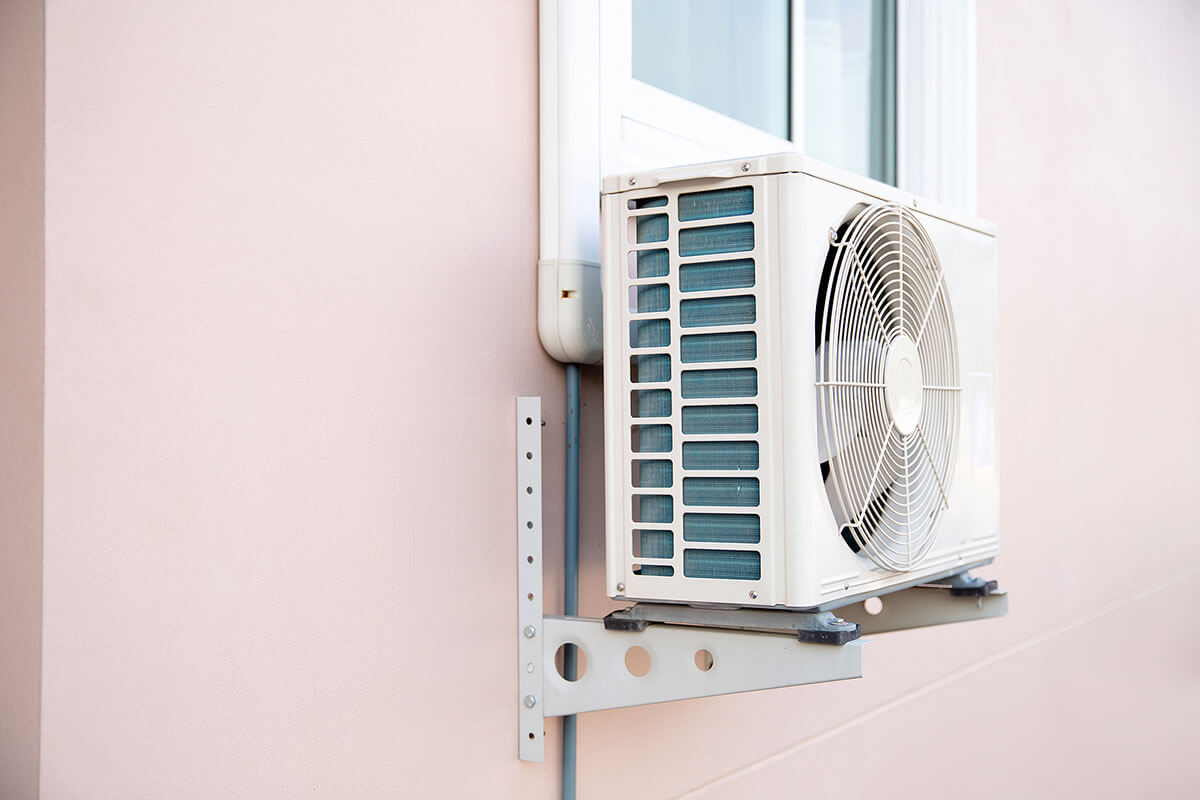
Split system air conditioners are made up of two main components: an indoor unit mounted on the wall, and an outdoor unit that houses the compressor. These systems are most effective when used to heat or cool individual rooms.
Benefits of Split Systems:
Lower initial cost and easier to install
Great for small homes, apartments, or single rooms
Each room/system can be set to a unique temperature
Energy-efficient if only one or two spaces need cooling
Easy to maintain with accessible filters
Multiple models and installation options available
Drawbacks:
You’ll need multiple indoor units to cool the whole house
Units are visible on the wall, which may not suit every design
Performance may drop in larger or open-plan homes
It takes longer for cool/warm air to spread through a house than it does for strategically located ducted outlets
Still unsure which suits you best? Consider where and how often you use your air conditioning. A split system might be the perfect fit if you’re only cooling a couple of rooms, such as a bedroom or home office.
Which System Is More Cost-Effective?
For small homes, a few well-placed split systems will usually be the most affordable option. Installation is quick, and operating costs can remain low if only one or two rooms are in use at any time.
For larger homes, however, things change. Installing multiple split systems can quickly drive up costs, not just at the time of installation, but also over time due to:
Higher collective energy use
Inconsistent temperature control
Increased maintenance costs (with multiple units to service)
A ducted air conditioning system, while more expensive upfront, becomes more cost-effective in the long term when heating and cooling a whole home, especially when zoning is used.
Need help spotting costly issues early? Don’t miss our guide to the 5 signs your air conditioner needs a service.
Zoning and Energy Efficiency
Energy efficiency matters—not just for your wallet, but for your comfort. Here’s how each system compares:
Ducted Systems:
Modern ducted air conditioners come with zoning technology
This allows you to cool only the rooms you’re using
Less wasted energy compared to whole-home cooling in older ducted setups
Split Systems:
Great for precise room-by-room control
Energy-efficient when used in isolated rooms
Becomes less efficient when multiple units are needed for every space
Considering a DIY air conditioning installation to cut costs? Before you start, read our latest guide on DIY air conditioning installation to understand the risks, legal requirements, and what you can safely do yourself.
Suitability for Renovations or Extensions
Are you planning a renovation or thinking of extending your home? If you’re relying on split systems, adding rooms usually means adding more indoor and outdoor units. This can clutter your walls and outdoor areas, and increase running costs.
With ducted systems, your installer can extend the existing ductwork to include new rooms. However, the existing ducted unit can struggle to push air to what is often a far-away room.
The fan unit may need an upgrade, which is significant, and most installers will want to renew your existing ducting simultaneously to allow the higher airflow.
You might also notice some strange smells from your existing unit during renovations. If that happens, check out our post on why your air conditioner smells musty for practical solutions.Ducted Air Conditioning vs Split System: A Side-by-Side Comparison
What Do Most Homeowners Choose?
At Eastern Melbourne Electricians, we see a fairly even split depending on home size:
Smaller homes or apartments often opt for split systems, especially when looking for an affordable, short-term solution.
Larger homes typically benefit from the streamlined control and clean design of a ducted system, especially when energy efficiency and resale value are priorities.
Still Not Sure Which AC System to Choose?
When it comes to ducted air conditioning vs split system, the right system comes down to your space, budget, and lifestyle.
If you’re still weighing it up, don’t worry—we’re here to help. Contact us today at Eastern Melbourne Electricians on 1800 851 129 or submit an enquiry, and one of our licensed professionals will guide you to the system that suits your home best.