



Light Switch Installation | Types and Common Issues
Date Published: July 6, 2020, Last Updated on March 5, 2024 by Dan Thompson
Light Switches: Everything You Need To Know
Is there any electrical item more essential or more common than the humble light switch? We interact with light switches tens, if not hundreds, of times per day. It becomes second nature. Light switches at home, at work and in almost every space we enter are so familiar that most people barely notice them.
Below is a Light Switches 101 covering styles, special mechanisms and common faults, along with what is required to repair them. Whether you are trying to understand the risks of a faulty switch or simply want to explore what options exist today, this guide is a simple place to start.
Need a switch repaired, replaced or upgraded?
Book a licensed electrician in Melbourne’s Eastern Suburbs today. Call us on 1800 851 129. We handle repairs, replacements, smart switch upgrades and safety checks.
Styles
There has been a massive expansion in the types and styles of light switches over the last 20 years. For a long time, the choice was essentially Clipsal or Clipsal, with a limited selection of colours.
Today the market is full of variations from brands such as Clipsal, HPM, Hager, Deta, Voltex and the increasingly popular GSME Trader (founded by the original Clipsal family once their non-compete ended). Add to this the wide range of colours, materials and cover plates available and there are now more options than ever for that small but important switch on your wall.
Here are some of the most common residential ranges you will see:
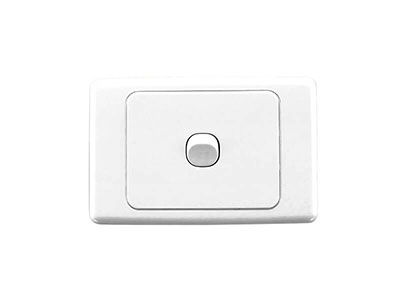
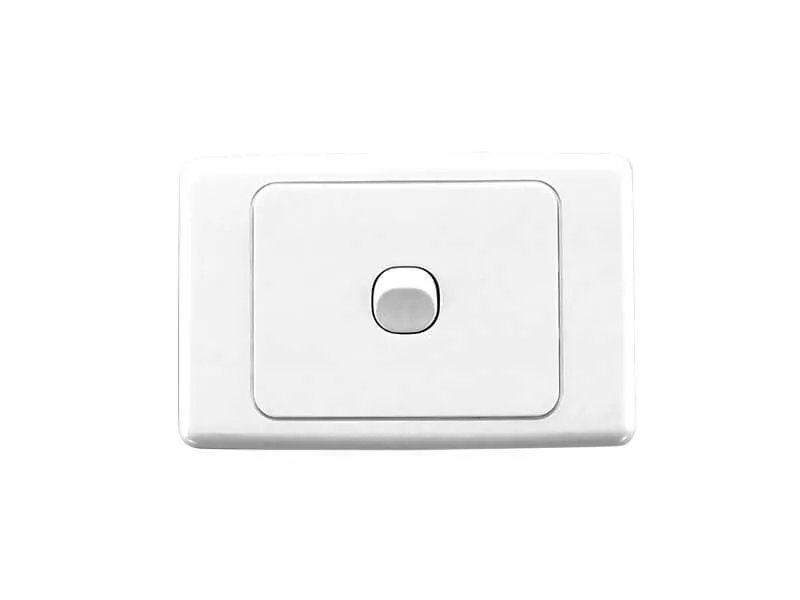
Clipsal 2000 Series
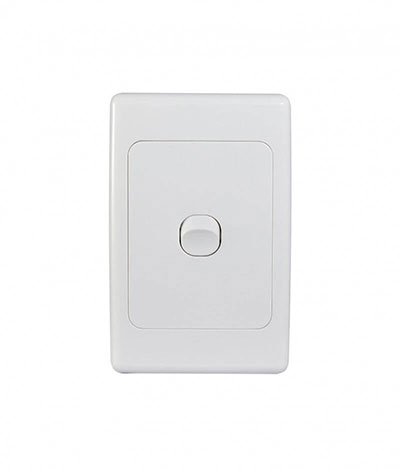
Trader Cougar
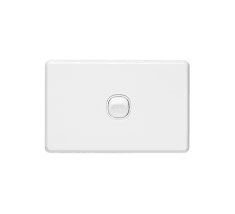
Clipsal Classic
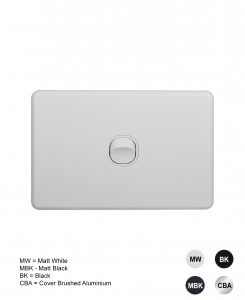
Trader Puma
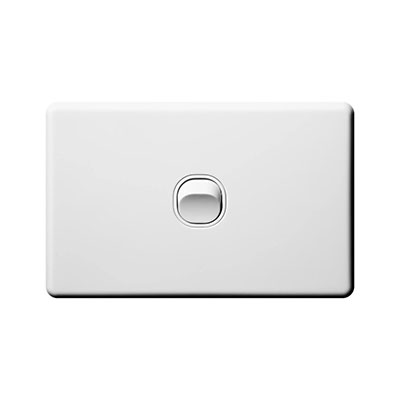
Voltax Classic

Clipsal Slimline (Slim) *Discontinued
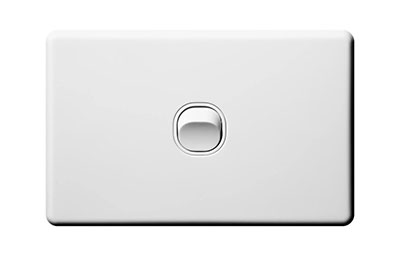
Voltex Shadowline (Slim)
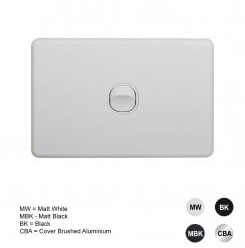
Trader Flat Cat (Slim)
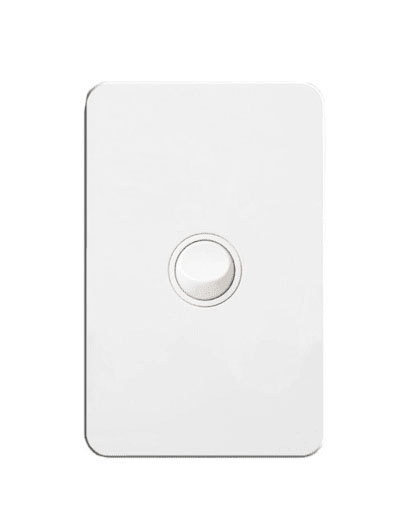
Hagar Silhouette (Slim)
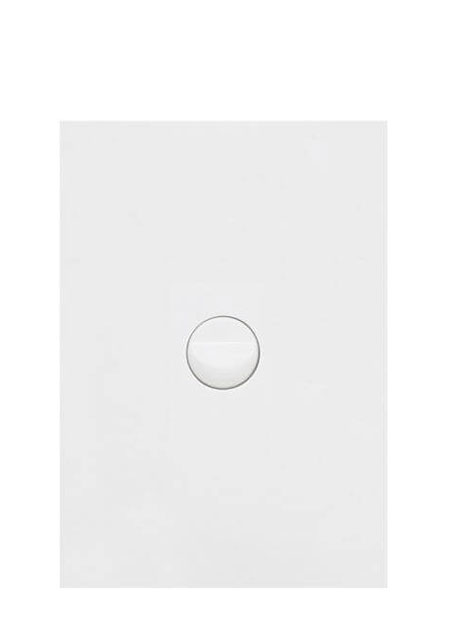
Hagar Visage (Slim)
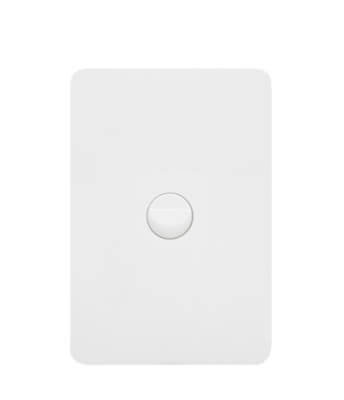
Hagar Allure

Hagar Premier

Clipsal Saturn
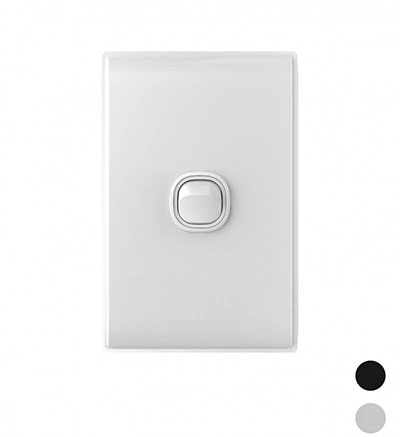
Trader Snow Leopard
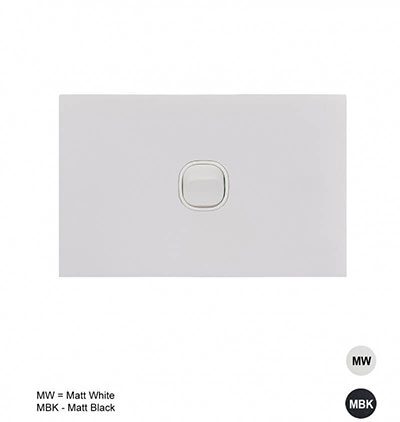
Trader Clouded Leopard
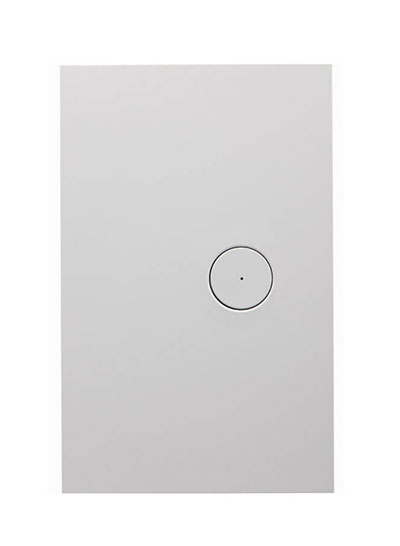
Clipsal Saturn Zen
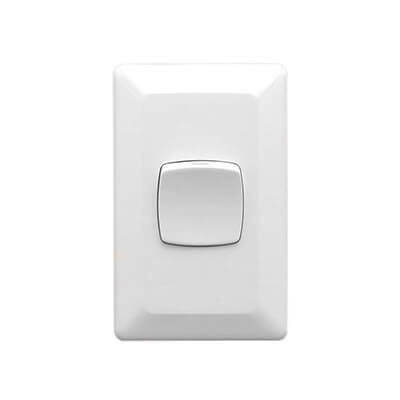
Clipsal Prestige

Clipsal Modena
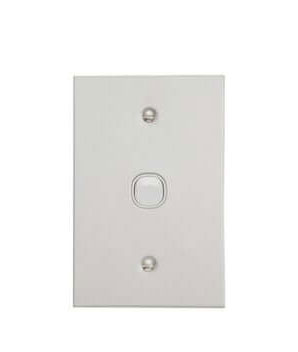
Clipsal Metal Plate
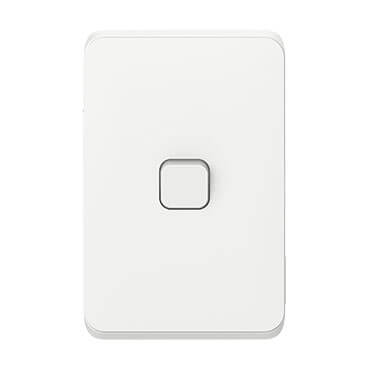
Clipsal Iconic
Modern additions not previously common include:
Smart light switches with Wi-Fi or Bluetooth control
Touch panel switches
Custom designer plates including glass, stone and metallic finishes
Vintage reproduction switches (brass, Bakelite-look, ceramic)
These additions mean homeowners can now match switch styles to their décor, whether the goal is modern, heritage or fully automated.
Special Switch Types
Beyond basic styles, there are many functional switch types used in Australian homes.
Two-Way Switches
A two-way switch allows a single light (or group of lights) to be controlled from two different locations. This is common in hallways, staircases and large rooms. Three-way and four-way setups can also be wired for complex layouts.
Dimmer Switches
Dimmer switches allow the light level to be reduced. Not all lights are dimmable, so compatibility with the light type is essential. Many modern dimmers are now LED-friendly and include soft start technology for longer lamp life.
Fan Controllers
Ceiling fans often come with multi-speed rotary controllers. These can be step-based or variable rotation types. Fan controllers are usually more expensive than standard switches and should always be installed by a licensed electrician.
Labelled Switches
Labelled switches are used for appliances such as:
Heat/Fan/Light units
Ovens
Hotplates
Exhaust fans
Outdoor lights and pool equipment
These mechanisms can also be custom-labelled for specialised applications.
Special Locations
Some spaces require specific switch types to meet safety or space constraints.
Architrave Switches
Used in narrow architraves or tight spaces where a standard plate will not fit. Architrave plates hold fewer mechanisms due to their slim width.
IP Rated Switches
IP (Ingress Protection) rated switches are required in moisture-prone areas. Different IP ratings apply depending on the location, such as outdoor areas, bathrooms or wet zones. Only certain ranges are manufactured to meet these requirements.
Switch Size and Gangs
The number of switch mechanisms on a plate is referred to as “gangs”.
1 gang = one switch
6 gang = six switches on the same plate
A number of combinations can be used, including dimmers, fan controllers and specialised mechs. If more than six mechanisms are required, an additional plate must be installed.
Light Switches Frequently Asked Questions
Are all light switches the same?
No. Standard switches control lights from one point. Two way and intermediate switches allow multiple control points. Other mechs, such as dimmers and fan controllers, add extra functionality.
What is a 2-way switch?
A 2-way switch allows one light or group of lights to be controlled from two different positions.
Can I replace a light switch myself?
No. All electrical work in Australia must be completed by a licensed electrician.
Do I need an electrician to replace a light switch?
Yes. DIY electrical work is illegal and unsafe. A licensed electrician is required for replacements, repairs and installations.
Why did my light switch stop working?
Common causes include a broken wire, a loose terminal or a faulty mechanism.
How much does it cost to install a switch?
Costs vary based on switch type, wiring access and any extra work required. You can get a free estimate with our online quote tool.
Can a faulty light switch cause a fire?
Yes. Loose terminals can create resistance and heat, which may lead to fire. Faulty switches can also expose live components.
Do light switches wear out?
Yes. Switches experience mechanical wear over time. The most common failure is a broken clip that prevents the switch rocker from sitting correctly.
Is a crackling light switch dangerous?
Yes. Crackling usually indicates arcing. Turn the circuit off at the switchboard and book an electrician immediately.
Need a switch repaired, replaced or upgraded?
Switches may be small, but choosing the right type can improve both the look of a room and the way the lighting works day to day. The right style can match the home’s architecture, support your lighting layout and make your space easier to use.
Whether the goal is a simple replacement, a modern update or a smart home upgrade, choosing a switch that suits the home always pays off.
Book our licensed electrician servicing Melbourne’s Eastern Suburbs. Fast response, quality work and full compliance guaranteed. Request a quote or call us on 1800 851 129.